
Why housing supply—not tenant demand—may shape the city’s rental market for years to come.
The recent budget announcements have highlighted a major shift in the real estate market, especially around housing supply and rental affordability.
The key point is this: there’s a significant shortage of available homes in established neighborhoods, which means rental prices are likely to keep rising in the near and medium term.
For landlords, this trend could mean better returns. But for the market as a whole, there are challenges ahead—from changing investor attitudes to rising construction costs and the impact of large infrastructure projects coming up.

1. Investor Hesitancy and the Squeeze on Established Rentals
Recent changes in fiscal policies, especially around negative gearing, have made investors more cautious. Many are now questioning if investing in property still makes financial sense.
This hesitation is already affecting the rental market in two key ways:
- Fewer Rental Homes: With tax incentives less attractive, fewer existing properties are being offered as rentals.
- Investors Stepping Back: Many potential investors are pausing to rethink their plans, and existing properties will be out of consideration for a lot of these investors.
As investor interest drops, the supply of rental homes in these areas tightens. Meanwhile, tenant demand stays strong, which means rents are likely to keep rising.
2. The New-Build Bottleneck: Unprecedented Construction Challenges
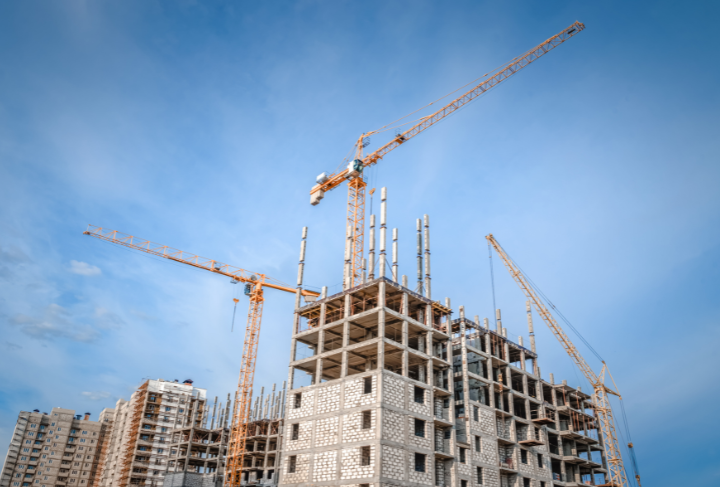
Usually, if there’s a shortage of older homes for rent, new construction helps fill the gap. But right now, building new properties in established urban areas is much harder than usual.
Rising material costs, supply chain delays, and a shortage of skilled workers are making development tough and expensive. To illustrate, I recently spoke with a developer who, after completing a detailed feasibility study on a prospective apartment site, concluded that even if they received the land entirely for free, the project still would not be financially viable due to high construction costs.
This highlights just how difficult the current construction environment has become. The issue is not simply finding land or getting projects approved. The cost of actually delivering the building has become a major factor in whether a project can proceed.
For developers, the numbers have to make sense. If the expected return does not justify the construction costs, financing, time and risk involved, projects are likely to be delayed or abandoned. That makes it difficult for new housing supply to respond quickly to the shortage.
The Infrastructure Strain: The Coming Labor Crunch.
There is another issue that could add to the pressure: major infrastructure projects associated with the Olympics are expected to ramp up from the end of this year.
These projects will require large numbers of skilled workers at a time when the construction industry is already dealing with labour shortages. Competition for tradespeople and other skilled workers could push construction costs even higher and make it more difficult for private developments to secure the people they need.
This brings us back to the biggest issue facing the rental market: supply.
If investors become more hesitant to buy existing properties, while developers struggle to deliver new housing, the number of available rental properties may remain under pressure. Unless more supply can be brought into the market, rental growth is likely to continue in the short to medium term.
What does this mean for the market overall?
In the short to mid-term, rental prices are likely to keep rising if supply remains constrained. With new builds facing significant structural challenges and some investors holding back from the existing market, there is little immediate relief for tenants looking for homes in established areas.
For current landlords, this environment may support rental income and provide stronger conditions in the short to medium term. However, rising rents alone should not be the reason to buy an investment property. The fundamentals of the individual property still matter — location, demand, purchase price, ongoing costs, rental appeal and potential for long-term growth.
For those looking to invest, success will depend on careful property selection, understanding where supply is tight, and structuring deals around the current market rather than simply following the headlines.
The bigger issue is that Australia cannot solve a rental shortage without increasing the number of homes available. Until construction becomes more viable and enough new properties can be delivered, supply is likely to remain one of the biggest challenges facing the rental market.
At CPC Properties, we believe successful property investing is about understanding the broader forces shaping the market—not simply reacting to today’s numbers.
Whether you own a property in Toowong, Greater Brisbane, South Brisbane, Indooroopilly or the surrounding suburbs, are building your portfolio, reviewing an existing investment or considering your next purchase, understanding current market conditions can help you make more informed decisions with greater confidence.
If you’d like to better understand Brisbane’s rental market or discuss what these longer-term trends could mean for your investment property, we’d be pleased to help. We provide practical and tailored advice for questions that relate to property management, buying, selling, investing or tenancy matters.
Simply complete our Property Sales and Management Brisbane Enquiry Form, and one of our friendly team members will respond as soon as possible. If you’d prefer to speak with us directly, call (07) 3721 8585

