
Why city-wide averages don’t tell you how your suburb—or even your street—is really performing.
If you’ve been following the Brisbane property market, you’ve probably seen plenty of positive headlines over the past year. Rent across Brisbane have increased by around 5–6% over the last 12 months, which is certainly encouraging for landlords.
But there’s an important point that often gets missed when we talk about the Brisbane market as a whole: not every suburb is performing in the same way, and not every type of property is experiencing the same level of demand.
This is something we see regularly when dealing with properties across Brisbane. The broader market figures provide useful context, but they don’t always reflect what is actually happening at a local level.
Different suburbs, different results
Take two properties we recently had available for rent as an example.
We had a one-bedroom plus study property in Lutwyche advertised at $595 per week. At the first open inspection, 23 groups came through and we received eight applications shortly afterwards. There was strong interest from the beginning, and we were able to secure a tenant within a short period of time.
At around the same time, we had another property available in Greenbank. It was a four-bedroom, two-bathroom, two-car home, only around two years old and located in a quality estate with a strong owner-occupier presence.
On paper, it was a very appealing property. But when we held the open inspection on the same Saturday, no one turned up.
The contrast between the two properties was quite significant. Both are good-quality homes and both were listed during a period when the broader market data suggested strong conditions.
Yet the level of tenant demand was completely different. This is why we need to be careful about relying too heavily on city-wide statistics when making property decisions.
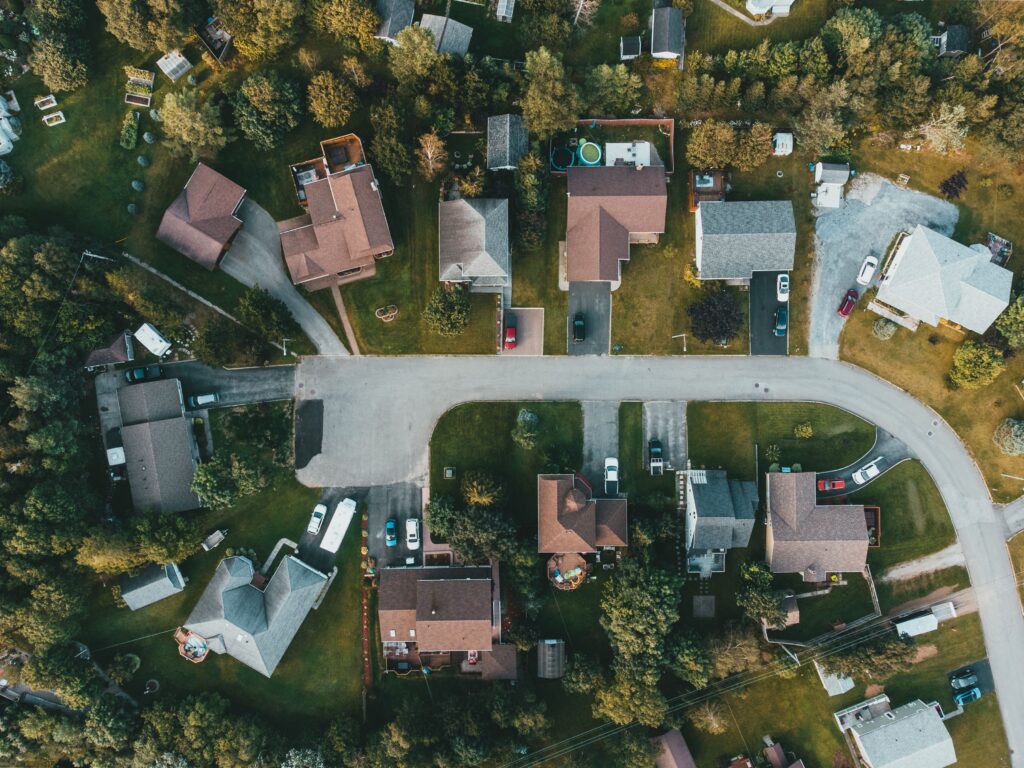
The suburb can make a significant difference
Brisbane is a city of diverse suburbs, and each one has its own unique factors that shape local property performance. These factors include:
● Supply levels
● Demographics
● Infrastructure
Even rental growth can differ widely from suburb to suburb. For instance, Greenbank hasn’t seen much rental growth over the past two years, despite strong headlines about Brisbane’s overall rental market. This kind of detail is essential for property owners in the area, especially if they’re basing expectations on city-wide averages.
It’s not a sign that Greenbank is a poor investment or that its prospects won’t change. It simply highlights the importance of understanding local conditions before making decisions based on broader market trends.
The type of property matters as well
Location is only one part of the picture. The type of property you own can also have a major impact on the level of demand.
A one-bedroom apartment close to employment, transport, shops and other amenities is likely to attract a different group of tenants from a four-bedroom family home in an outer suburb. Their budgets, priorities and reasons for choosing a property can be completely different.
That’s why even properties within the same general market can experience very different levels of enquiry.
For landlords, this is particularly important when setting the asking rent. Looking at the average rental increase across Brisbane doesn’t necessarily tell you what tenants are prepared to pay for your property today. You need to look at comparable properties, current competition and, most importantly, the response from the market.
The same principle applies to selling.
A Brisbane-wide increase in property values doesn’t automatically mean your property has increased by the same amount. Recent comparable sales in your suburb, the condition of your property and the level of buyer competition will give you a much clearer indication of where your property sits.
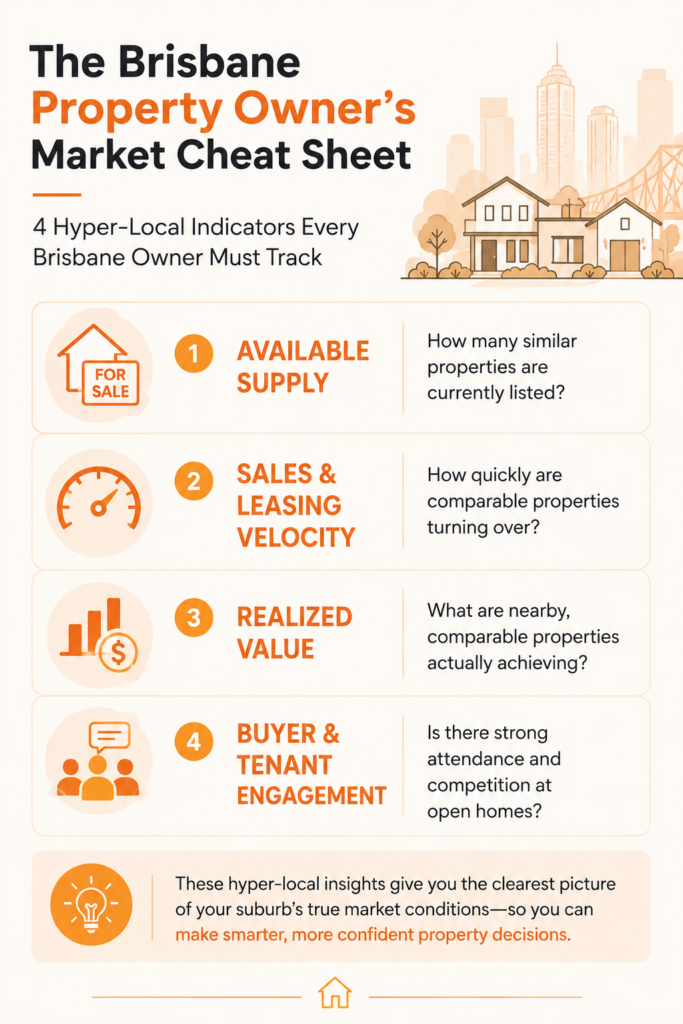
So, what should property owners be looking at?
The broader Brisbane figures are still important. They give us a useful indication of the direction of the market and provide context for what is happening across the city.
But they should be the starting point, rather than the whole story.
If you own property in Brisbane, it is worth looking more closely at what is happening in your particular suburb.
- How many similar properties are currently available?
- How quickly are they selling or leasing?
- What are comparable properties achieving?
- And are buyers or tenants showing strong interest when those properties come to market?
These are the questions that can give you a much better understanding of your own property’s position.
Ultimately, the market data tells us what is happening across Brisbane, but the activity we see at inspections, the enquiries we receive and the conversations we have with buyers, sellers, landlords and tenants tell us what is happening on the ground.
So rather than simply asking, “How is the Brisbane property market performing?”, it may be more useful to ask, “What is happening in my suburb, and how are properties like mine performing?”
That local perspective can make a significant difference when deciding whether to sell, review your rent, hold your property or simply plan your next move
If you’d like to understand what is happening in your suburb and how your property is currently performing, we’re happy to have a conversation with you. Rather than relying on broad Brisbane
market figures, we can look at the local sales, rental activity and demand for properties like yours to give you a clearer picture of where your property stands.
Use our Contact Form Property Sales and Management Brisbane. Simply fill out our form with you enquiry, and our friendly team will respond to you as quickly as possible. Alternately, you can call us on 07 3036 5246

